From June 13 to 14, 2026, the International Conference on "Practice Innovation and Standards for Social Work Services in Child Protection," hosted by the China Social Work Academy, supported by UNICEF China Office, and organized by the School of Social and Behavioral Sciences at Nanjing University, was held in Nanjing, Jiangsu. More than 300 participants attended, including scholars from universities and research institutions in over ten countries and regions, practitioners from social work management and service organizations, and students.
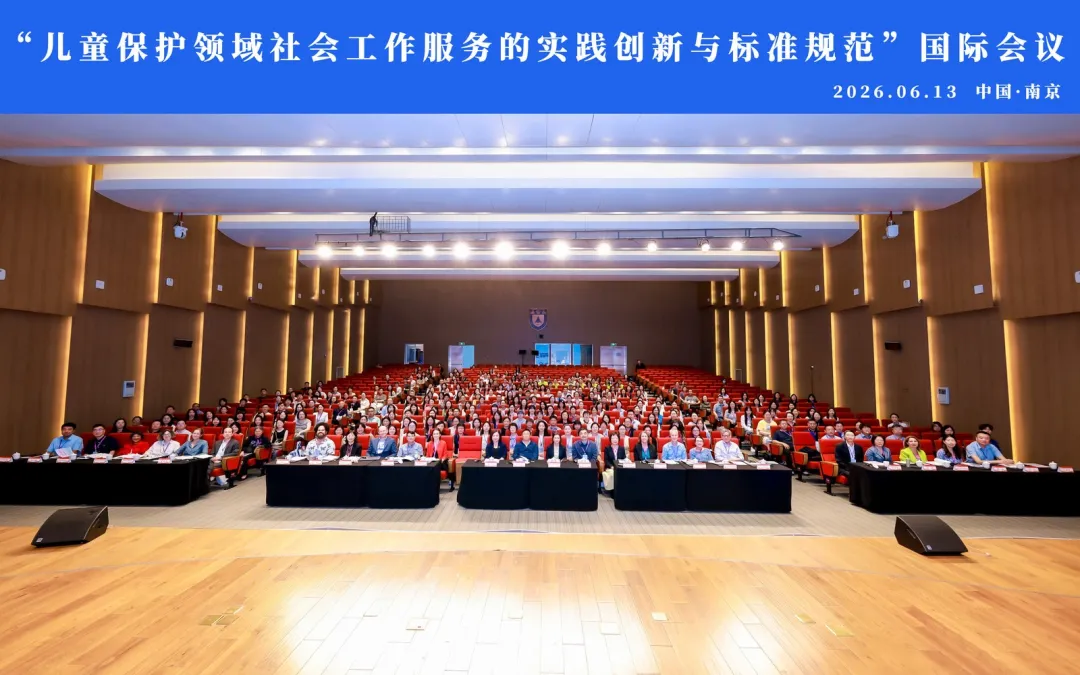
The opening ceremony was held at the International Conference Center on Nanjing University's Xianlin Campus. Gao Fang, Assistant to the President of Nanjing University and Director of the Office of Social Sciences, delivered remarks on behalf of the university. She noted that Nanjing University has a deep academic lineage in social work: as early as 1928, it was among the first institutions in China to offer specialized social work education, and later established the country's first independent department dedicated to training professional social work talent, laying the foundation for professional social work education in China. Wang Sibin, President of the China Social Work Academy and Professor at Peking University, stated that the conference was an important measure for implementing the strategic deployments of the Party and the state, and was of great significance for promoting the high-quality development of child protection in China. Peng Huamin, Vice President of the China Association for Social Work Education and Professor at Nanjing University, emphasized that the establishment of the Society Work Department of the CCP Central Committee has provided strong institutional support for professional forces to participate in the protection of minors. Amanda Bissex, UNICEF Representative to China (OIC), recognized China's positive progress in child protection, shared UNICEF's global experience, and expressed willingness to deepen practical cooperation. Wang Dongliang, Chief of the Care and Service Division of the Department of Child Welfare at the Ministry of Civil Affairs, introduced the ministry's progress in strengthening grassroots child welfare service systems and emphasized the need to safeguard children's healthy growth through professionalized and standardized social work services.
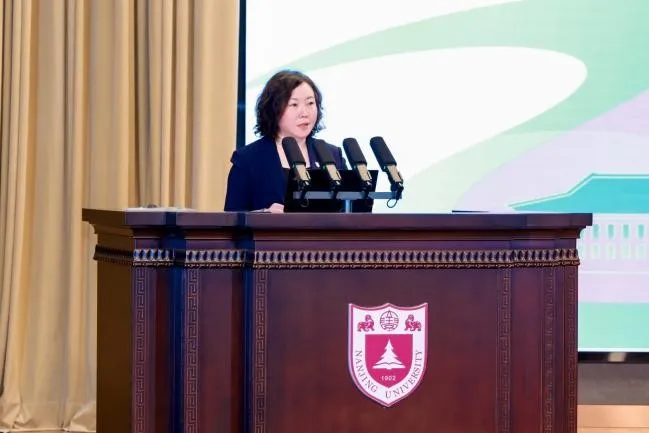
Gao Fang, Assistant to the President of Nanjing University and Director of the Office of Social Sciences
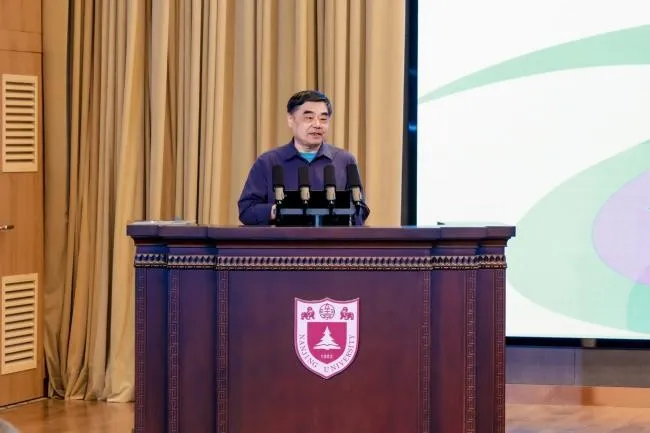
Wang Sibin, President of the China Social Work Academy and Professor at Peking University
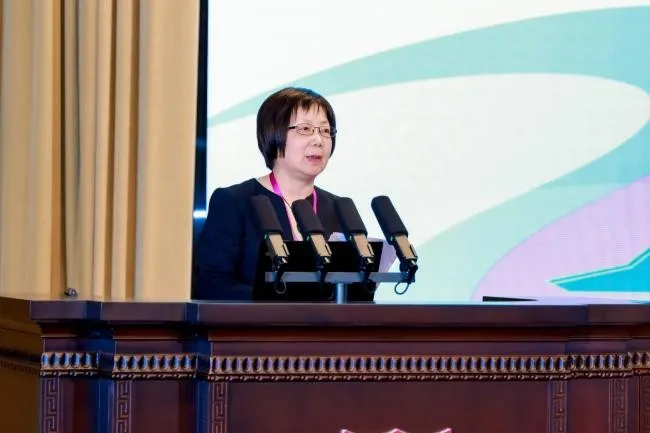
Peng Huamin, Vice President of the China Association for Social Work Education and Professor at Nanjing University
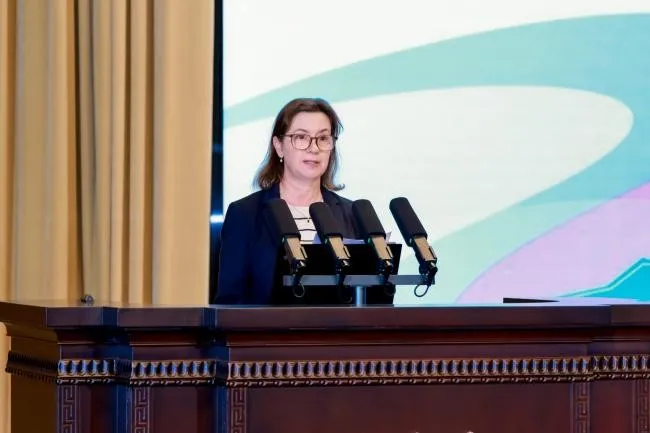
Amanda Bissex, UNICEF Representative to China (OIC)
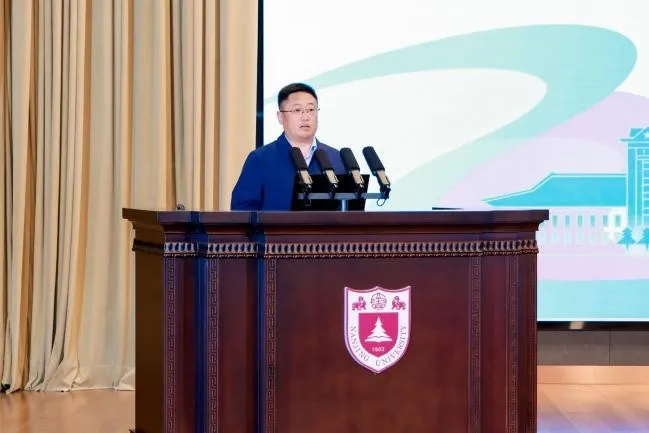
Wang Dongliang, Chief of the Care and Service Division, Department of Child Welfare, Ministry of Civil Affairs
The opening ceremony was also attended by Dora Giusti, Chief of Child Protection at UNICEF China; Kirsten Di Martino, Senior Adviser on Child Protection and Migration at the UNICEF Global Programme Division's Centre of Excellence in Bangkok; Wang Jianfu, Party Secretary of the School of Social and Behavioral Sciences at Nanjing University; Wu Yuxiao, Dean of the School of Social and Behavioral Sciences at Nanjing University; Fan Bin, Vice President of the China Social Work Academy and Professor at the School of Social and Public Administration, East China University of Science and Technology; and others.
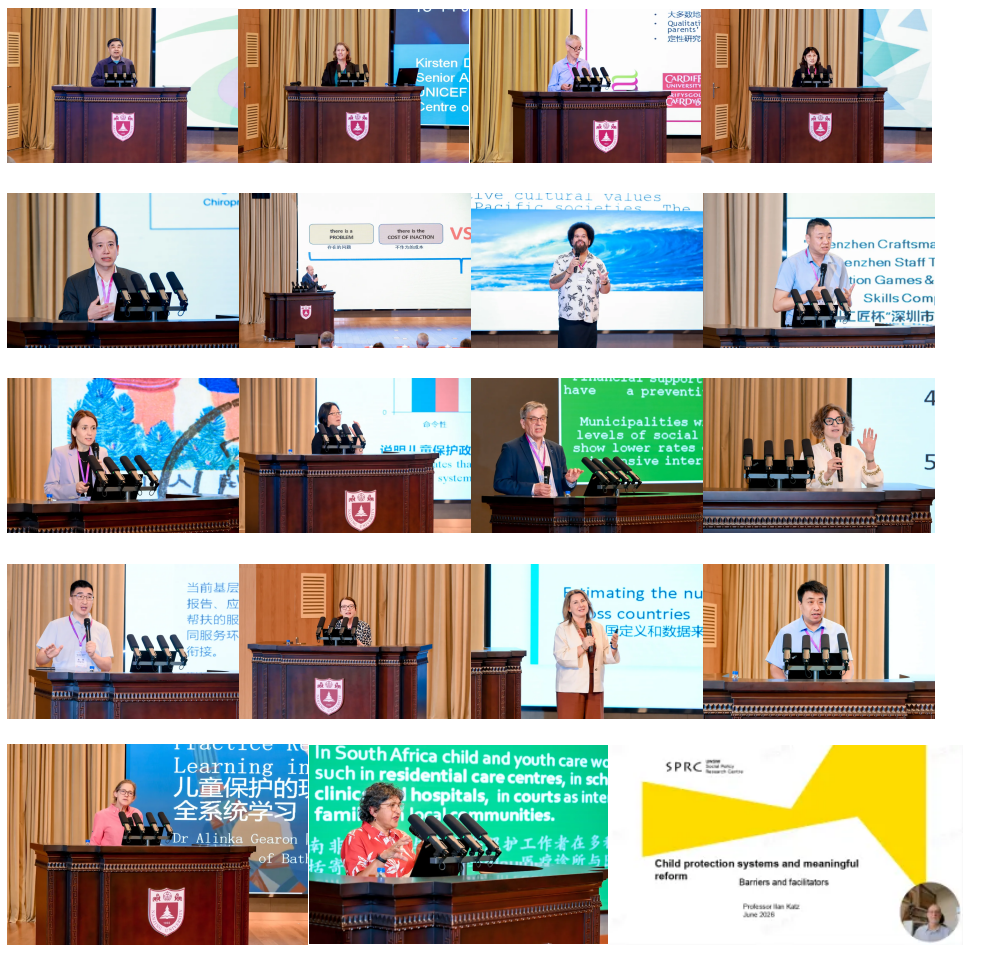
Keynote Speakers
At the main forum, 19 senior scholars in child protection from countries and regions including China, the United Kingdom, Finland, Georgia, Australia, New Zealand, and South Africa delivered keynote speeches. The experts shared insights on cutting-edge topics such as the construction of child protection systems, the development of social service workforces, practical pathways for the concept of "investing in people," the development of standards for child protection services, mandatory reporting systems, case management methods, children's mental health, and crisis intervention. The presentations included comparative analyses of macro-level policies and institutional design, as well as concrete accounts of frontline practice models and intervention techniques. Together, they demonstrated the latest research achievements and international practical experience in child protection social work, providing participants with broad academic perspectives and rich practical references.
Parallel Forums
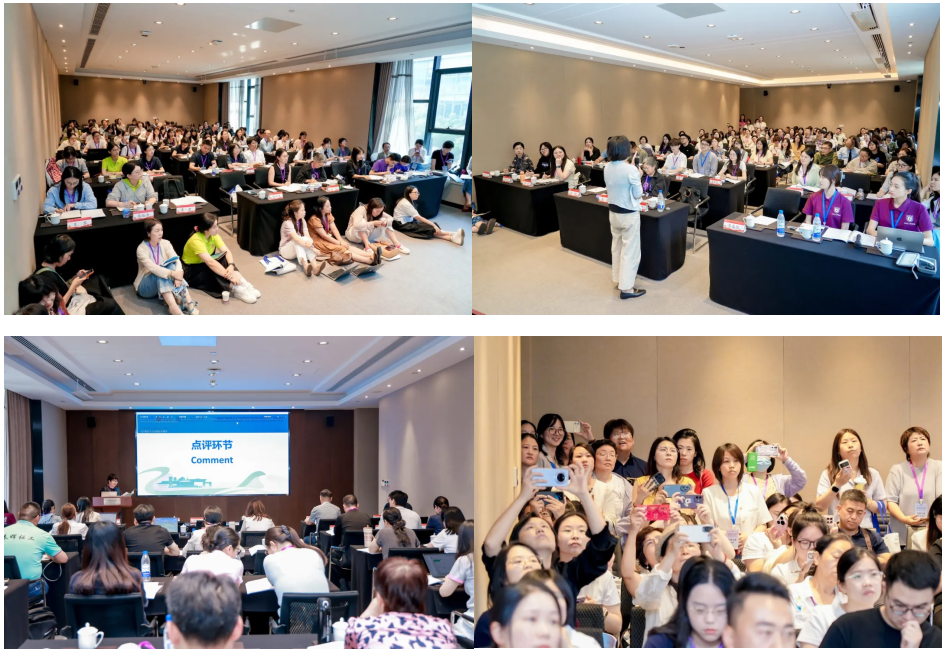
The conference featured six parallel forums, where more than 80 speakers engaged in in-depth discussions around six major themes: the development of social work service systems in child protection, case management methods, disciplinary development and talent training, grassroots best practices, children's mental health and crisis intervention, and the roles and functions of professional teams. Scholars from universities at home and abroad, together with representatives from frontline practice organizations, exchanged views and debated specific issues including cross-national comparisons of mandatory reporting systems, the construction of county-level protection systems, the social integration of migrant children, interventions for adolescent emotional disorders, and ethical practice in medical social work. These exchanges produced a number of constructive policy recommendations.
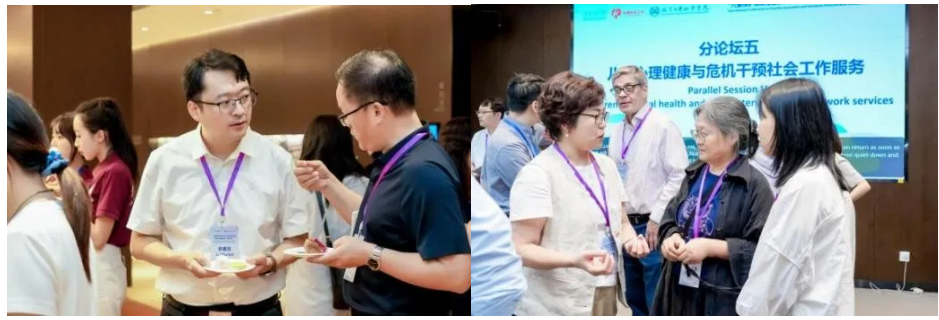
Through in-depth exchanges, the participating experts further clarified that accelerating the high-quality development of child protection social work services requires a profound grasp of new circumstances and new requirements. Professional practice must be rooted in grassroots social governance and services for key groups of children, and services should be promoted to shift from traditional casework toward strengthening family functions, building diversified protection networks, and improving the iterative functioning of systems. In the new era, child protection social work must be anchored in the principle of "children first," give full play to its professional strengths in areas such as care for children in difficult circumstances and protection of minors' rights and interests, and serve as an important support for improving the child welfare system. Social workers need to continuously improve their capacities in policy analysis, resource integration, and multi-party coordination, draw on international experience, explore localized service models suited to China's national conditions, and demonstrate professional contributions in system building, network improvement, and talent training.
The outcomes of the conference will be translated into application through multiple channels, including publication in professional social work journals and submission of policy recommendation reports. They will provide important academic reference and practical guidance for the formulation of service standards, innovation in service models, and development of the professional workforce for child protection social work in China. As always, the School of Social and Behavioral Sciences at Nanjing University will continue to provide a high-level exchange platform for experts, scholars, and practitioners in child protection at home and abroad, further deepen theoretical research and talent training in the field, and work with all parties to promote the high-quality development of child protection in China, contributing Chinese wisdom and Chinese experience to the global cause of child protection.
Writer:Liang Qian
Translator:Liu Yin