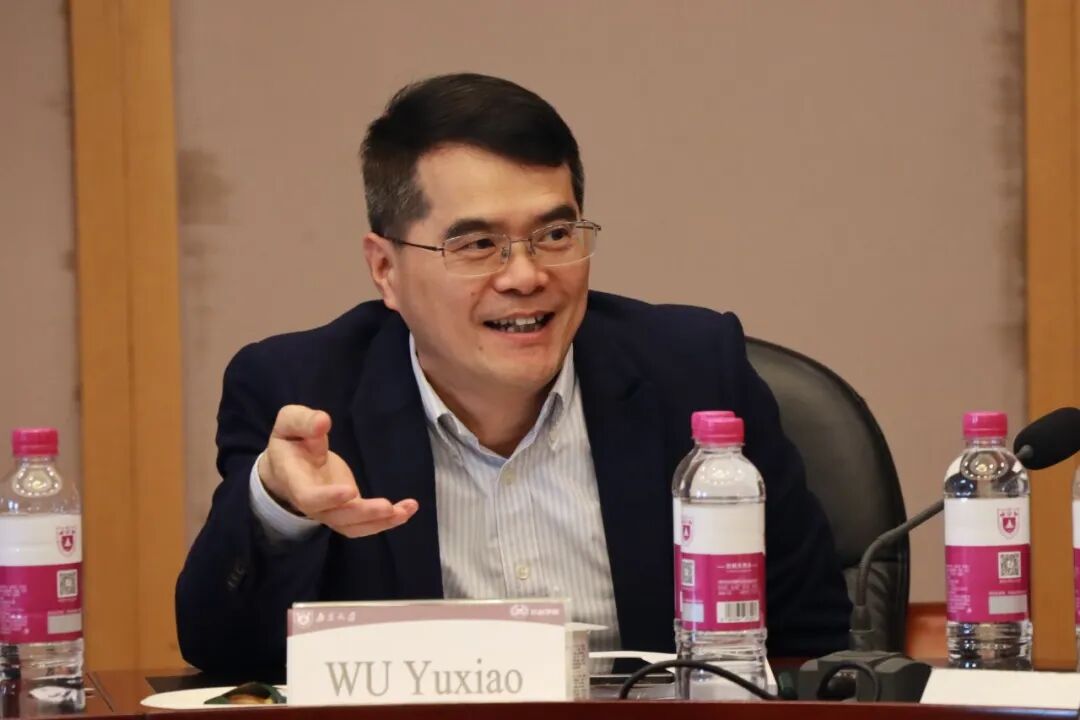
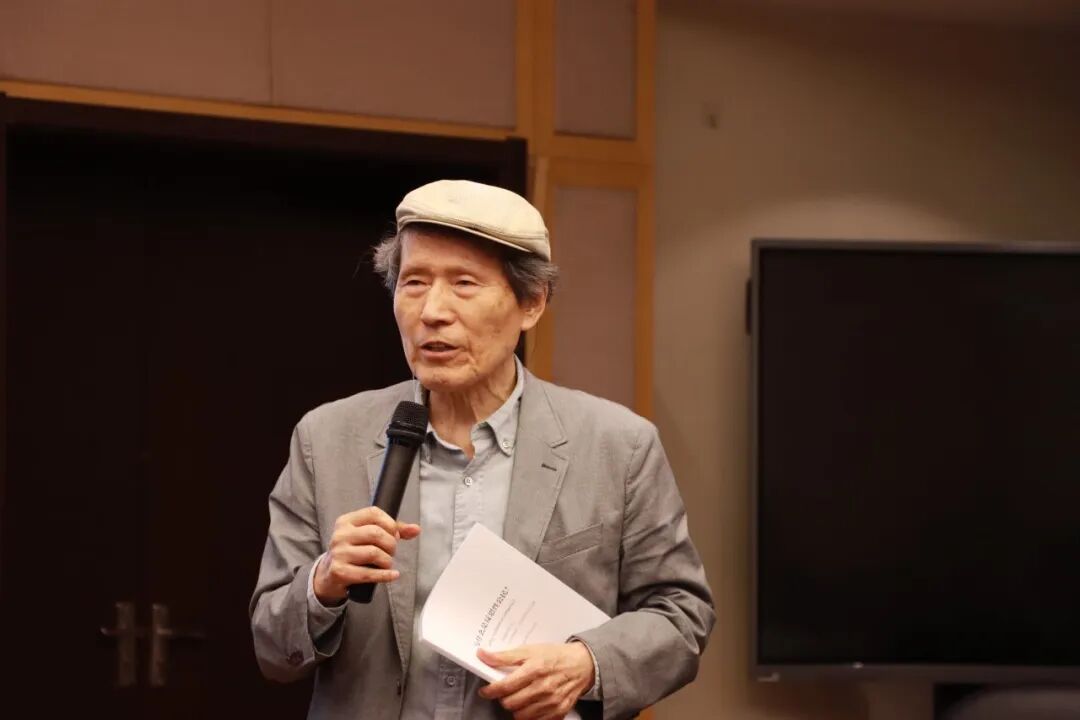
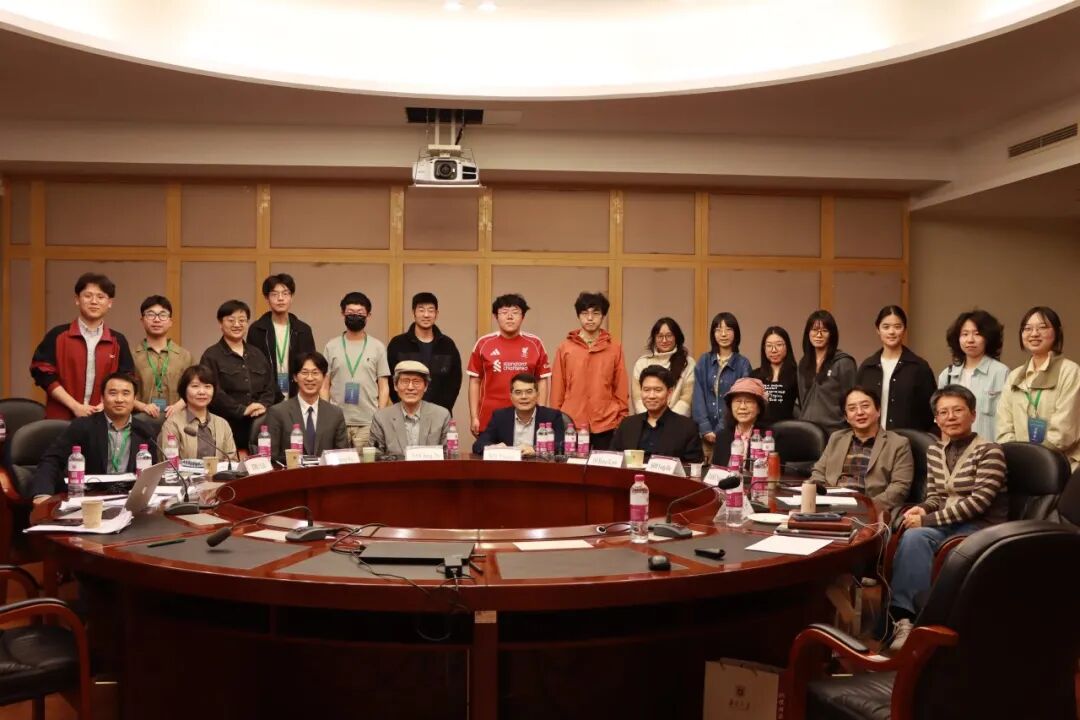
On April 25, 2026, the Nanyong Qunxue Workshop was held in the School of Social and Behavioral Sciences at Nanjing University. The opening session was chaired by Professor Sang-Jin Han of Seoul National University and featured remarks by Professor Yuxiao Wu, Dean of the School of Social and Behavioral Sciences at Nanjing University, and Professor Dong-Kyun Im, Director of the Institute for Social Development and Policy Research at Seoul National University. Professor Wu welcomed the faculty members, students, and guests in attendance and expressed the hope that the workshop would deepen academic exchange and future collaboration while encouraging participants to engage the questions and needs of the present era with openness and scholarly rigor. Professor Im also emphasized that the workshop aimed to bring together meaningful personal exchange and serious academic dialogue, and he wished the event every success.
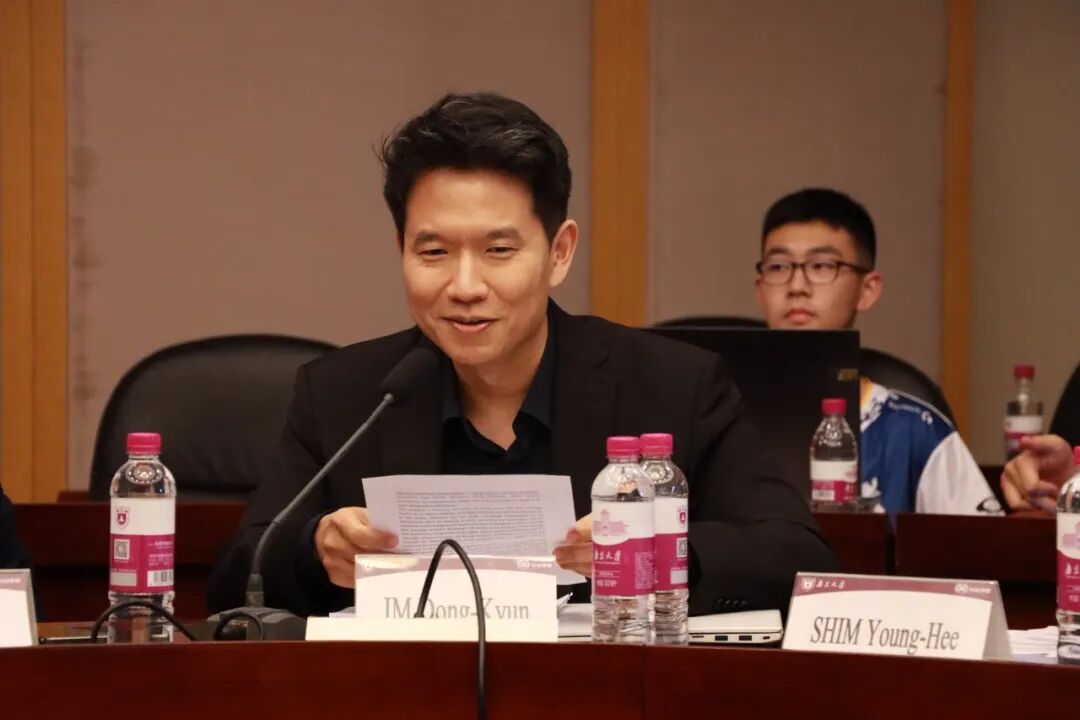
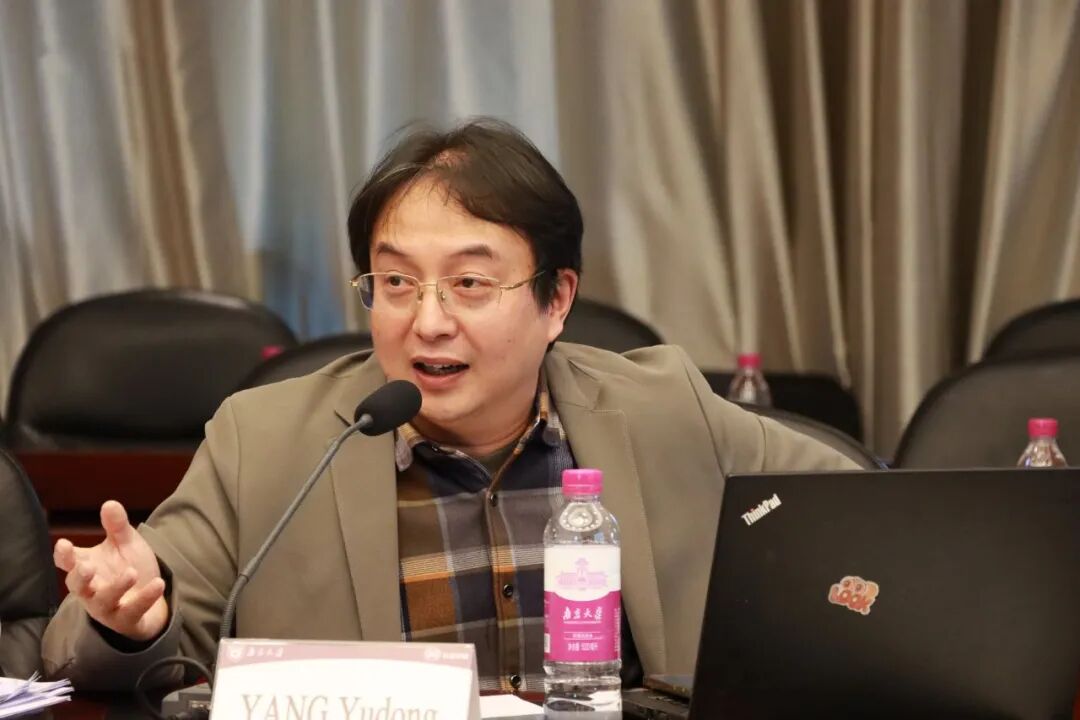
The workshop consisted of three sessions. The first, "Publicness and Modern Emotions," was chaired by Associate Professor Yudong Yang of the School of Social and Behavioral Sciences, Nanjing University. Professor Sang-Jin Han delivered a talk titled "BTS, Arirang, and the In-between World: Toward a Global Emotional Public Sphere." He argued that the public sphere in the contemporary world differs from Habermas's model and should instead be understood as relational, affective, and globally mediated. Professor Dong-Kyun Im then presented "Manifesto for Positive Sociology: Toward a Sociological Science of Social Flourishing." He suggested that sociology should remain critical, but that an excessive emphasis on critique can weaken its constructive potential, and he outlined a theoretical framework for positive sociology.
The second session, "Youth and Gender," was chaired by Professor Lili Zhu of the School of Journalism and Communication, Nanjing University. Professor Young-Hee Shim of Hanyang University presented "The Rise of Young Women as Agents of Social and Political Change in South Korea." She argued that young women in South Korea are not only participants in politics but are also reshaping politics itself through relational, life-centered, and nonviolent practices. Associate Professor Peiqin Zhou of the School of Social and Behavioral Sciences, Nanjing University, then presented "GPA or Skills? Chinese Female Students Majoring in Computer Science." Her research found that a mismatch between course content and workplace demands creates distinct gendered challenges for female students in computer science.
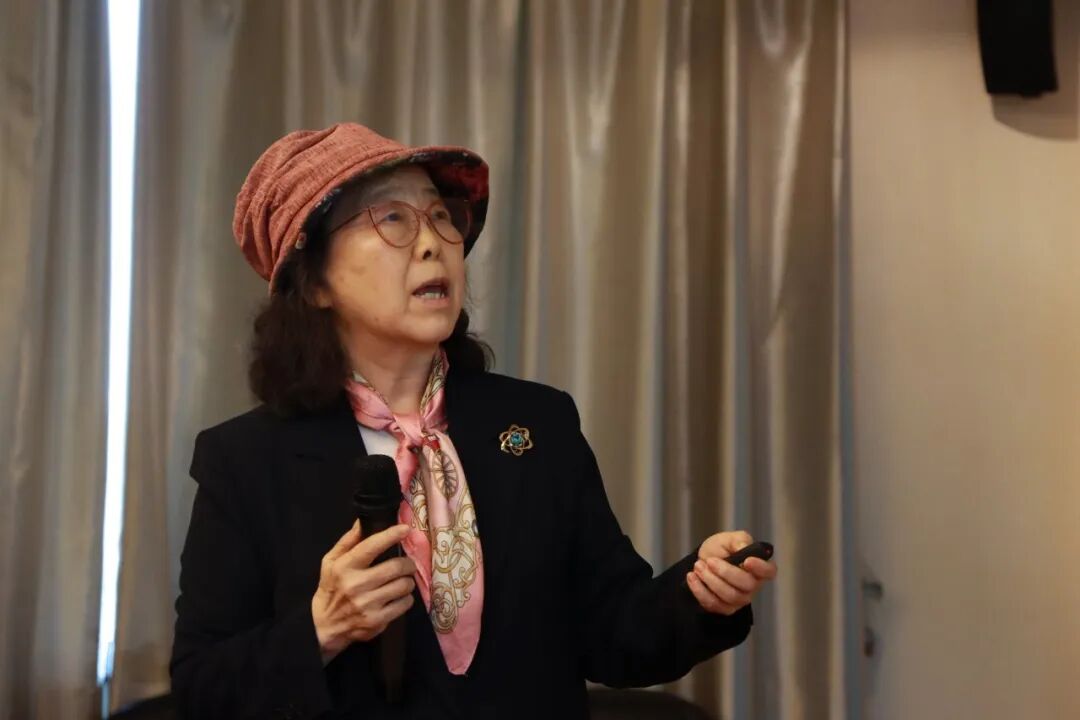
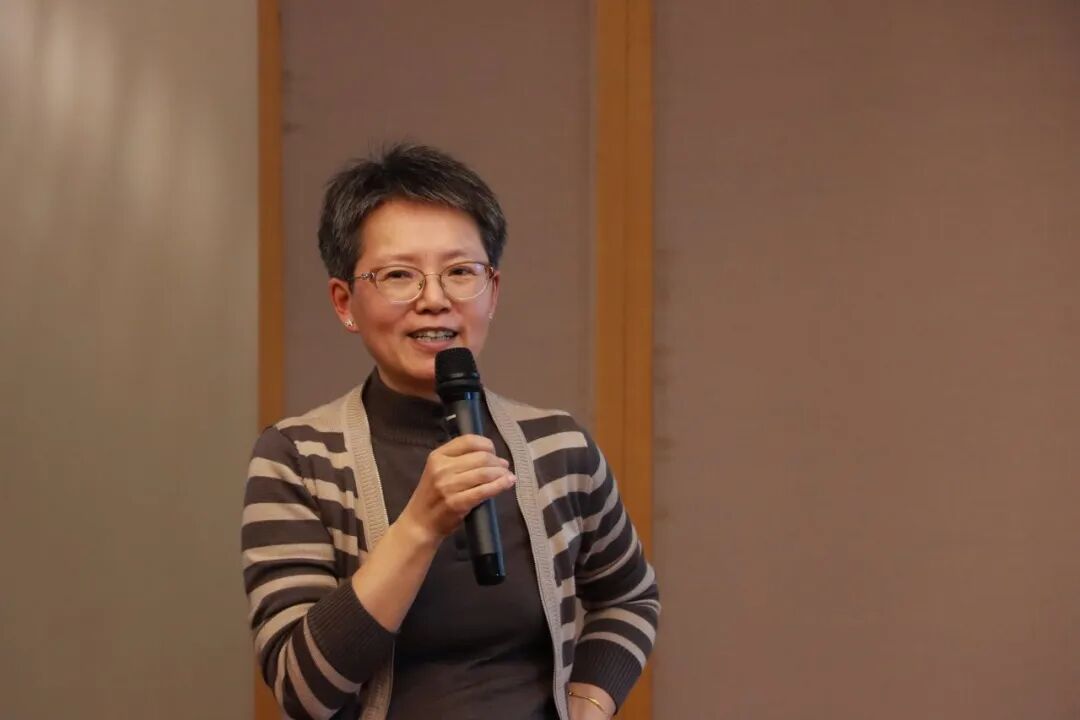
The third session, "Popular Culture Studies," was chaired by Associate Research Fellow Wenmin Zuo of the School of Social and Behavioral Sciences, Nanjing University. Professor Lili Zhu of the School of Journalism and Communication, Nanjing University, presented "How Fandom Culture Flows and Connects: Gen Z Lifestyles and Emotional Worlds." She noted that Gen Z youth are experiencing a cultural rupture around love and intimacy that not only interrupts the intergenerational flow of emotional experience but also reshapes the epistemological foundations of emotional culture. Professor Jeong-Woo Koo of Sungkyunkwan University then delivered "The Fandom of the Opera? The Ambivalent Effect of Online Fandom Activities on Market Performance in the Case of K-Pop Musicians." Focusing on how contemporary fan-community activities shape the market performance of idol artists, he argued that even globally oriented fan practices remain deeply rooted in local sociocultural contexts, and he compared key differences between fan practices in South Korea and the United States.
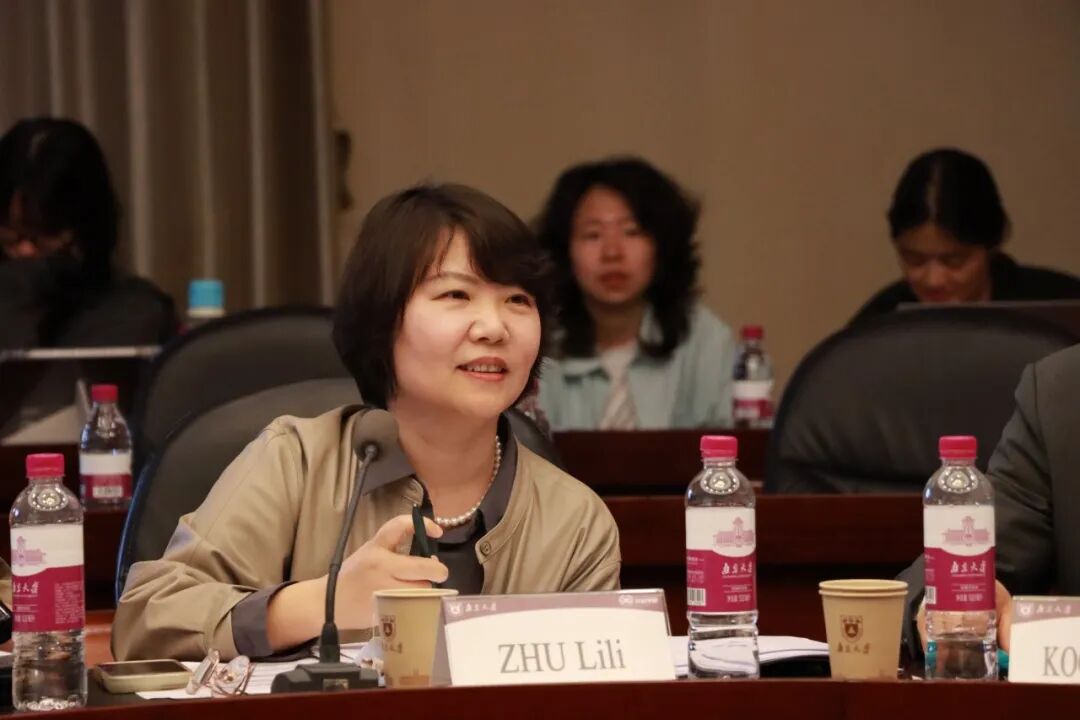
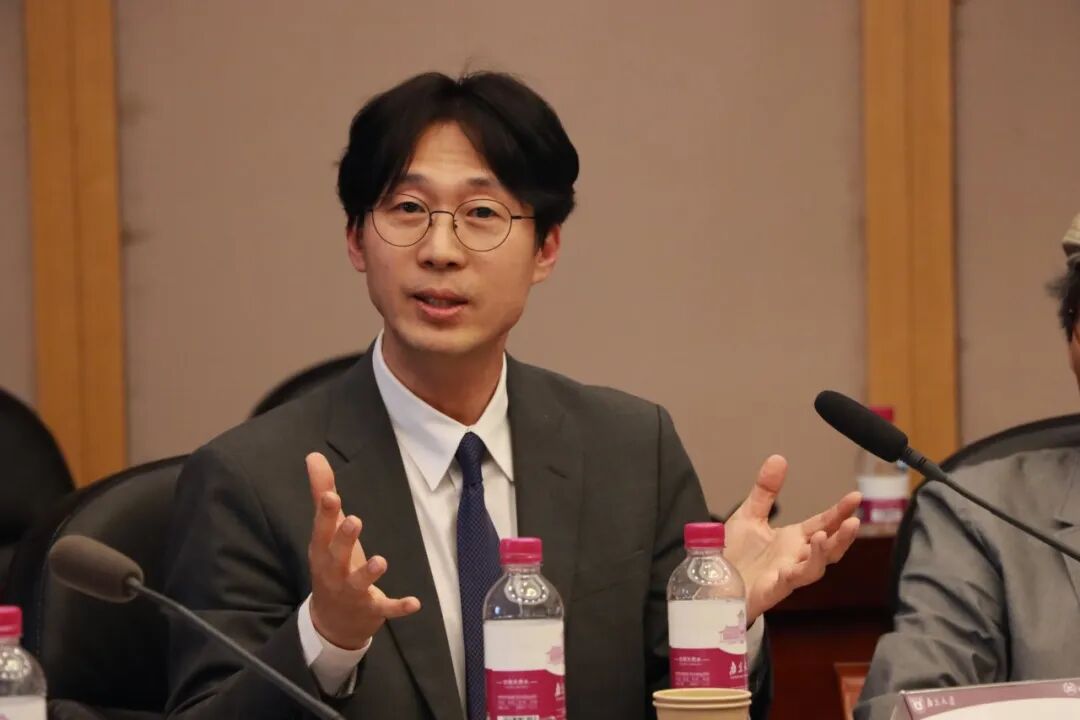
After each presentation, faculty members and students engaged in focused discussion and exchange. The workshop concluded with closing remarks by Professor Sang-Jin Han. Hosted by the School of Social and Behavioral Sciences at Nanjing University and organized by the Research Center for Confucianism and New Sociology, the Nanyong Qunxue Workshop was designed as a platform for in-depth academic exchange centered on sociology while encouraging dialogue across disciplines.
Writer:Qian Liang
Translator:Liu Yin