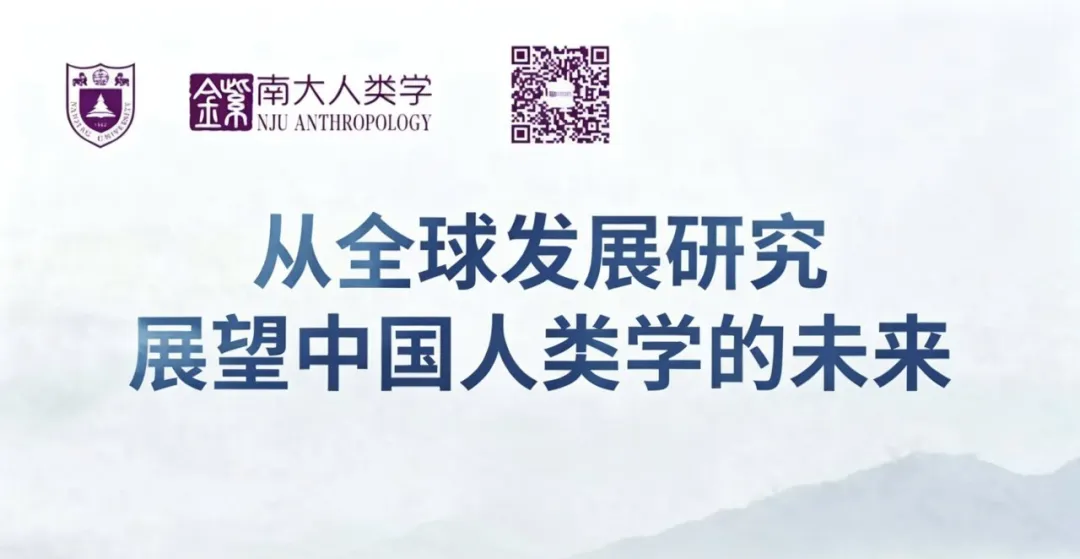
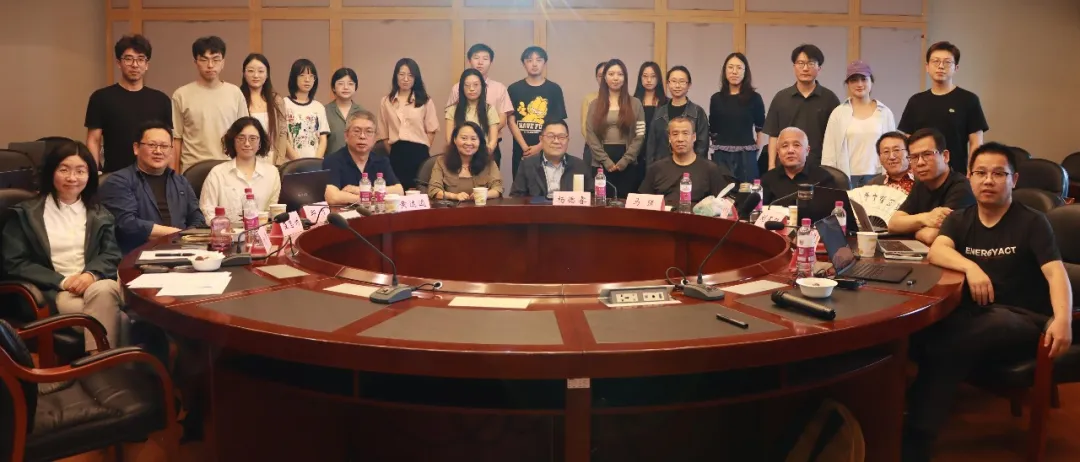
On May 18, 2026, the workshop "Envisioning Chinese Anthropology through Global Development Studies," was held by the Institute of Cultural Anthropology at the School of Social and Behavioral Sciences, Nanjing University. Scholars from universities across China with long-standing engagement in overseas sociology and anthropology gathered for in-depth discussion of concrete cases in global development studies, as well as theoretical and methodological reflections.
Professor Ma Qiang of Shaanxi Normal University delivered a talk titled "From South Asian Islamic Studies to a Global South Perspective: Knowledge Production and Disciplinary Transformation in Anthropology." He began by noting that, in the interdisciplinary field of social-scientific research on Islam, Chinese academia has long lacked an independent theoretical and knowledge system and has relied heavily on the colonial perspectives of Western scholarship. This, he argued, is an urgent problem to address. South Asian Islam offers Chinese scholars an important window onto South Asia, Islam, and the Global South. Professor Ma proposed several key questions for the study of South Asian Islam: first, the localized reconstruction of global Islamic knowledge systems; and second, the transnational circulation and practice of South Asian Islam. He concluded that scholars should build an independent knowledge system from a South Asian perspective, move beyond the framework of Western knowledge systems, uncover the theoretical potential of South Asian Islam, and advance the genuine decolonization of anthropology.
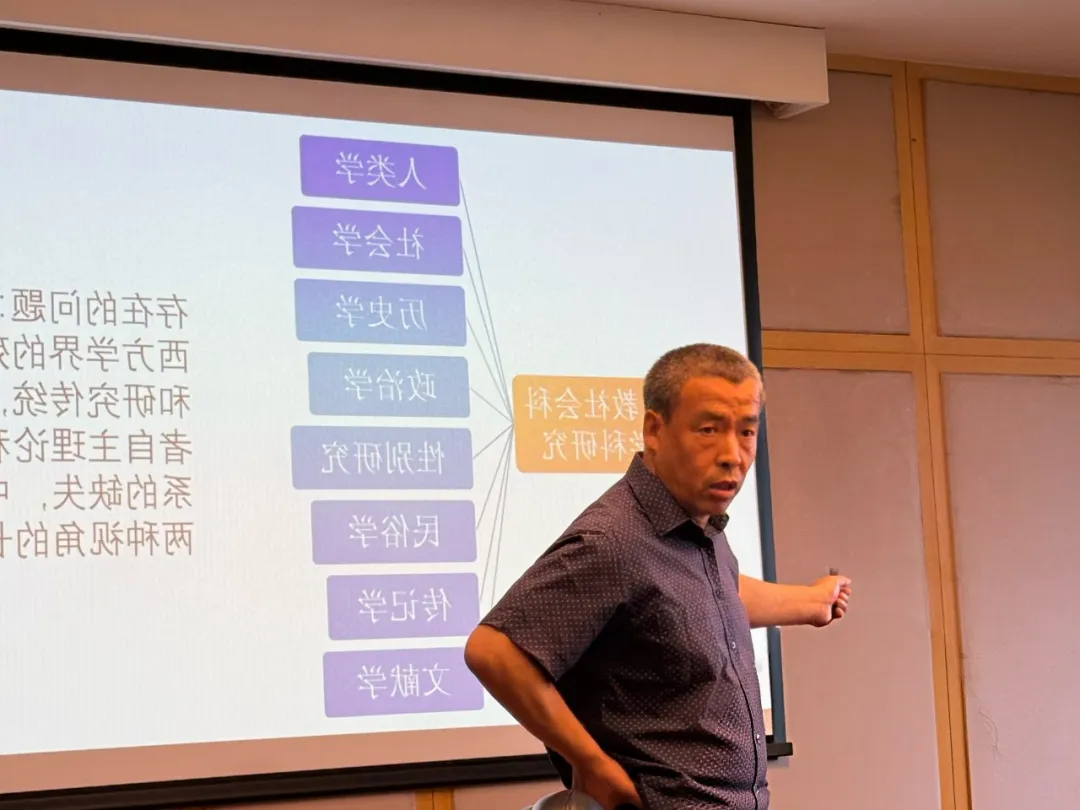
Professor Huang Dayuan of the Institute of Regional and Country Studies at Xi'an International Studies University gave a lecture titled "Ethnologist Gu Bao's Frontier Practice: Beginning with a Reflection on the Soviet Ethnological Paradigm." Professor Huang argued that the scholarship of sociologist Gu Bao deserves to be rediscovered and reassessed. Gu conducted long-term fieldwork in Xinjiang and proposed the idea of "two major regions and three unities," pointing out that the unity of the nomadic regions and the Central Plains formed the underlying basis of China's great unity. In doing so, he reassessed the intrinsic importance of steppe nomadic civilization to the Chinese nation. Professor Huang suggested that Gu's theory of "regional China" broke away from the positioning of Xinjiang as a "periphery" and incorporated it into the "core area," thereby moving beyond traditional historical discourse. Gu also criticized distortions, led by Soviet historiography, of the relationship between China and frontier ethnic groups. Soviet historiography, for example, repeatedly emphasized notions such as "Han Chinese China" and "Han oppression of frontier ethnic groups" in an attempt to deny China's "great unity." Professor Huang concluded that Gu’s work advanced the nation-building of the Chinese nation. This, he noted, was not only an academic achievement but also reflected a political vision beyond that of ordinary scholars.
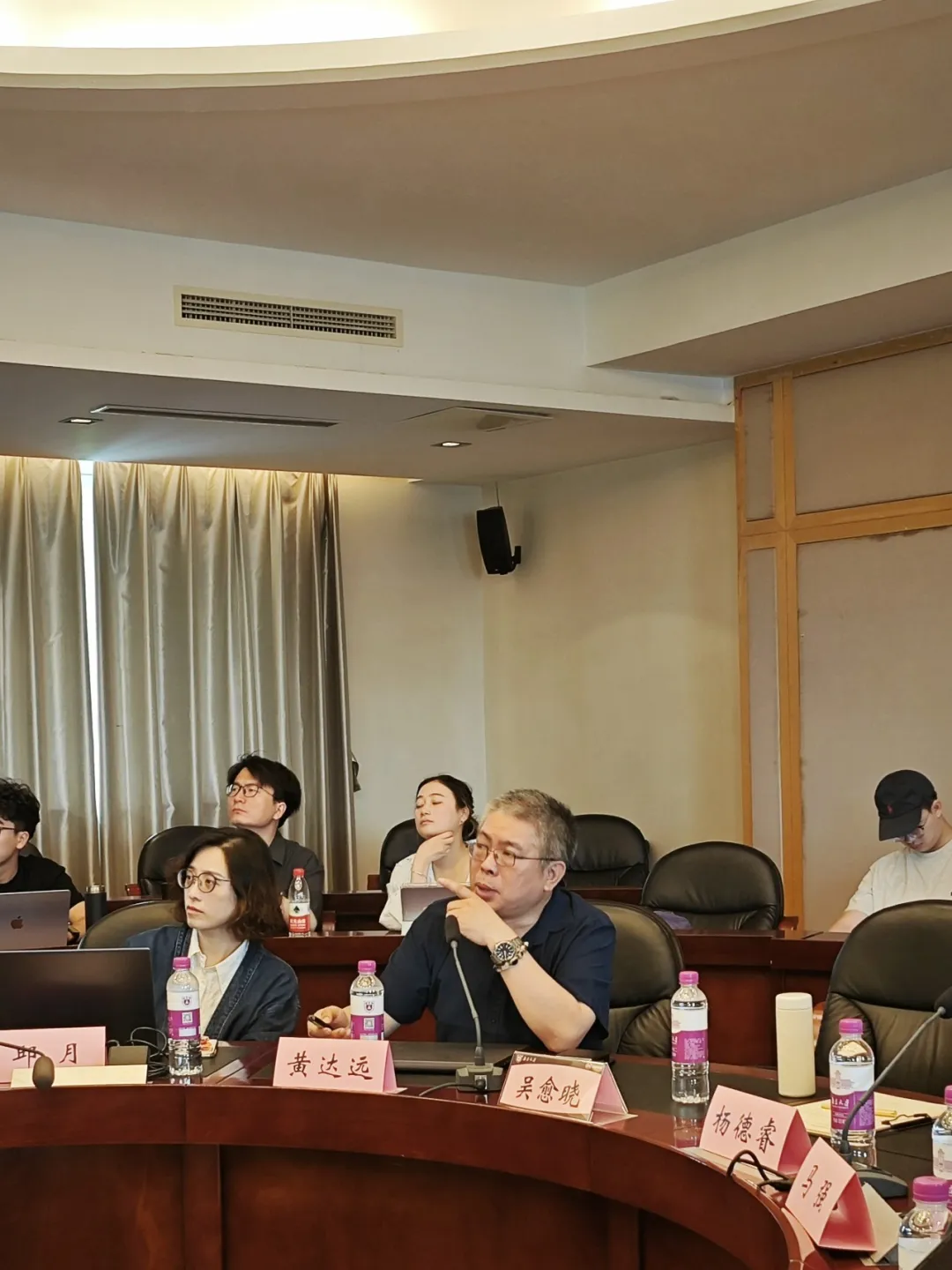
Professor Liu Yuzhao of the Institute of Economic Sociology & Multinationals (IESM), Shanghai University, delivered a presentation titled "How Chinese Enterprises Enter Rwanda: Cross-Cultural Understanding and Communication in Chinese Companies' Overseas Expansion." Professor Liu began with vivid stories of overseas Chinese living and developing businesses in Rwanda, using these cases to identify the first problem that companies encounter abroad: cognitive limitations. Such limitations arise from restricted business experience, limited language ability, and constrained social interaction. They often cause companies to "step into pitfalls" without realizing it, resulting in heavy losses. Professor Liu further pointed out that this problem runs through the localization process of overseas Chinese. Across the four stages of going abroad, gaining a foothold, taking root locally, and eventually returning to one's roots, overseas enterprises face a recurring cycle of adaptation, challenge, and readaptation. His proposed solution was that companies should "learn by doing" and acquire basic sociocultural knowledge of local society, while government and academia should strengthen research and provide learning platforms for enterprises going abroad.
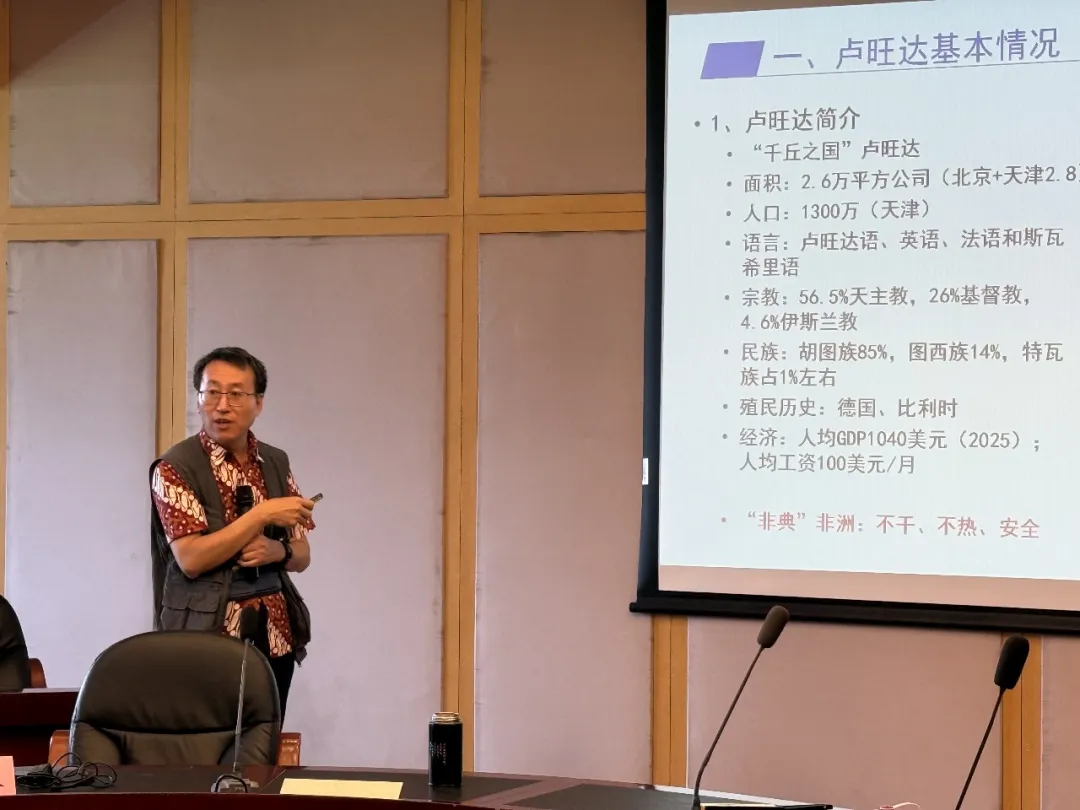
Professor Bao Shengyong of the School of Sociology and Psychology at the Central University of Finance and Economics presented a study titled "Social Relations and Network Structures in Cross-Border Rosewood Trade: The China-Vietnam Cross-Border Circulation of Rosewood, with Reflections on the Roles of Sociology and Anthropology in Global Development." Professor Bao noted that rosewood, as a distinctive resource with cultural meaning, has developed into an industry that crosses the China-Vietnam border and forms a special transnational industrial chain. Through fieldwork at key nodes of the industrial chain, including Pingxiang in Guangxi and Tu Son in Viet Nam, and through visits to numerous rosewood enterprises and practitioners, Professor Bao found that social networks operate as a core mechanism in this transnational chain. Chinese practitioners form clusters of different types and strengths through native-place ties, kinship ties, and occupational ties. At the end of the lecture, Professor Bao offered several reflections on overseas ethnography. He argued that, in the age of globalization, Chinese sociology and anthropology should go abroad more often, build independent knowledge systems through solid ethnographic research, and provide think-tank support and talent pools for national strategic needs.
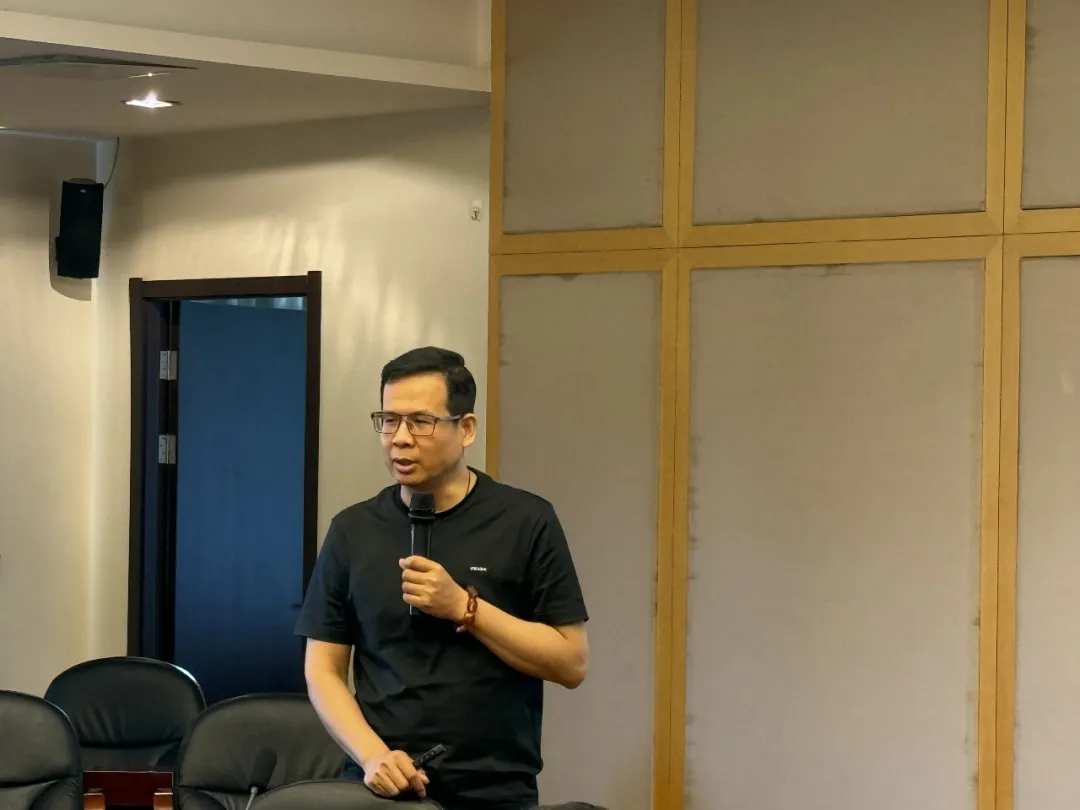
Associate Professor Zhong Xiaoxin of the School of Ethnology and Sociology at Yunnan University spoke on "The Periphery as Method: Problem Consciousness and Methodological Reflections in Chinese Anthropological Research on Southeast Asia." Professor Zhong first reviewed his own research on Bamar society and put forward a highly original view: Bamar society is not the hierarchical society emphasized in traditional Western sociology, but rather an individual and egalitarian society. Although Bamar people follow highly formalized rituals, discourse, and bodily techniques in social interaction, these expressions function more like a performative mechanism and a cultural strategy for social integration. In practice, Bamar society lacks relations of personal dependency. Professor Zhong then reflected on the scholarly stereotype of Myanmar as a Buddhist society. Through his research on Burmese witchcraft beliefs, he showed that witchcraft represents another dimension of Myanmar: if Buddhism expresses social morality, identity, and social control, witchcraft gives concentrated expression to human desire and resistance. Both are indispensable for understanding Burmese society. Through these compelling cases, Professor Zhong sought to show that, in order to achieve decolonization and independent knowledge production in the Global South, researchers must move beyond dogmatic and simplified external knowledge, enter the field themselves, and form understanding through interaction and mutual observation.
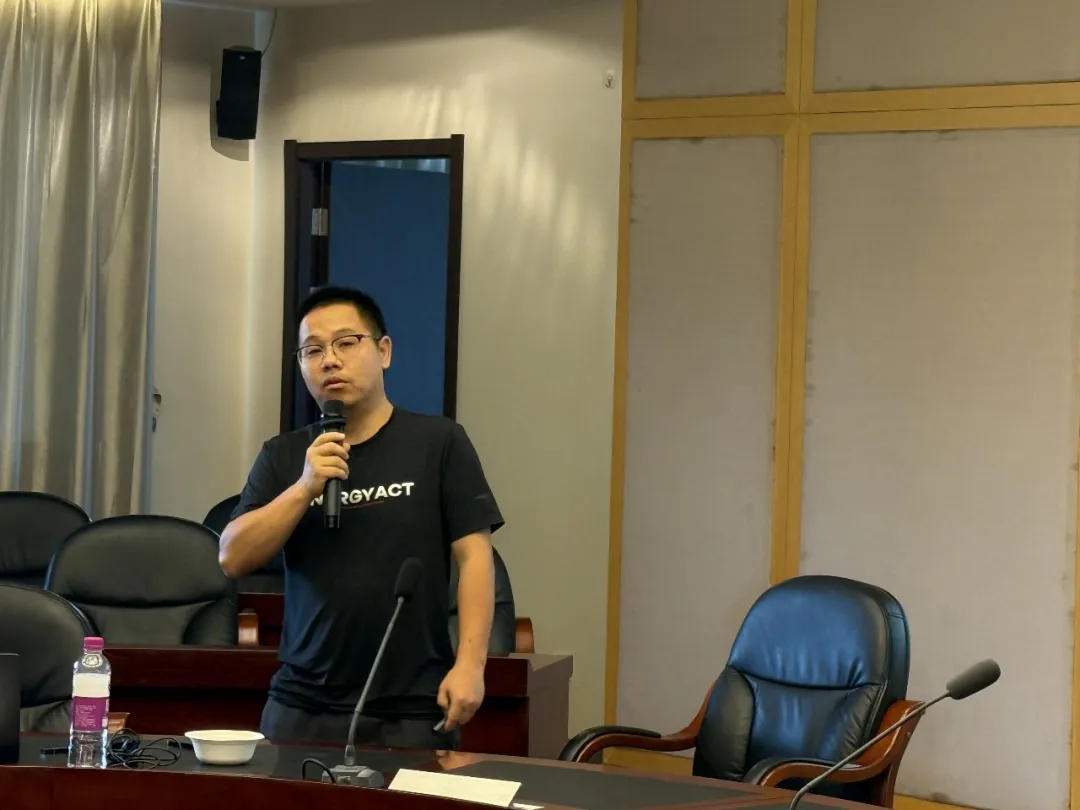
Associate Professor Cui Zhongzhou of the Latin American Studies Center at Southwest University of Science and Technology gave a presentation titled "Development Issues in Plural Societies: Chinese Anthropology's Imagination and Future of Latin America." Professor Cui first noted that Latin America is a highly diverse and complex region, home to many racial groups and mixed-race descendants. Indigenous peoples are an important constituent population, while Mestizos - people of mixed European and Indigenous ancestry - make up the largest group among minorities; the region also includes many multiracial groups, Black populations, and other communities. This diversity creates multiple possibilities for Latin American development. Professor Cui argued that the development of Latin American society is not simply a contradiction between Euro-American centrism and decolonialism. Rather, Latin American society is itself a product of colonization and has formed its own internal coloniality. As a result, when Chinese investors enter Latin America, local actors may use Western knowledge hegemony to deal with them, a phenomenon Professor Cui called "reverse colonialism." In this context, he reminded the audience not to exaggerate the commonalities between a Chinese perspective and a Southern perspective. The Global South is not monolithic, and we should recognize the plural identities of the Southern world.
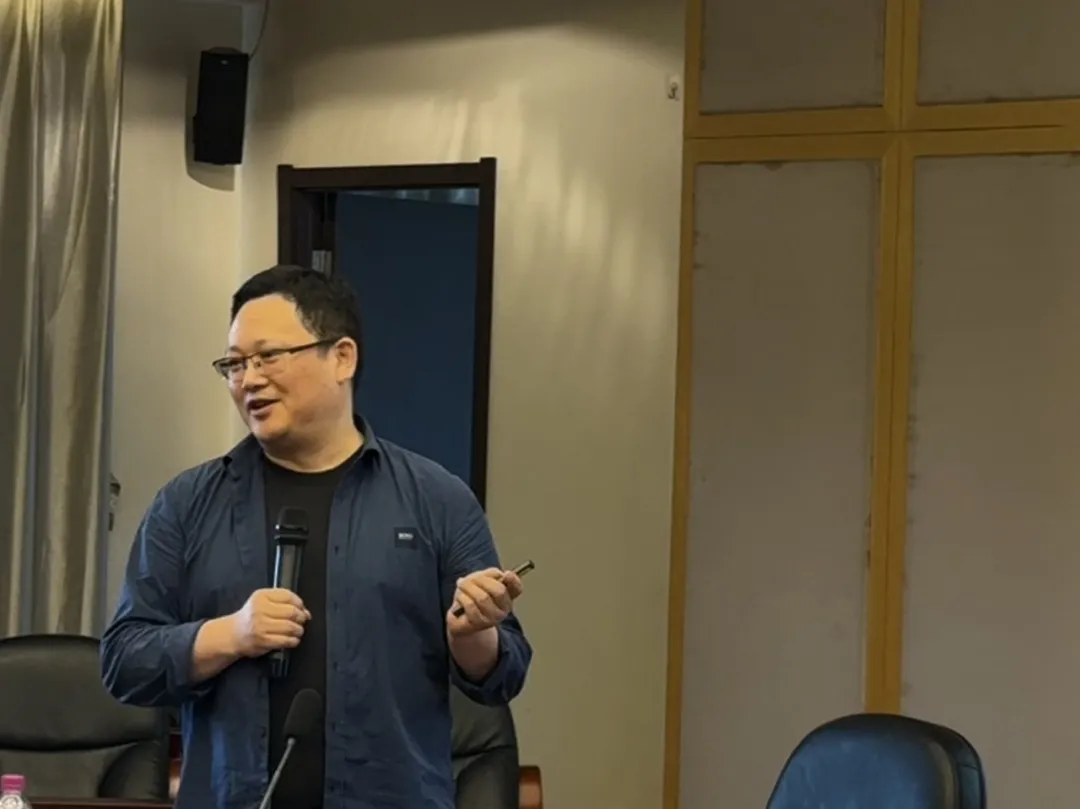
Professor Zhang Qingren of the School of Ethnology and Sociology at Minzu University of China presented a study titled "From Indigenismo to Southern Anthropology: Knowledge Shifts and the Localization of Mexican Anthropology." Professor Zhang first reviewed the development of Mexican anthropology, noting that it emerged out of the needs of colonial rule. By the 1930s, during the presidency of Lazaro Cardenas, it had shifted toward serving nation-building and promoting the integration of Indigenous groups into national society. From the 1960s to the 1980s, Mexican anthropology began reflecting on grand narratives such as the state, with particular attention to criticizing the colonialist tendencies embedded in anthropological knowledge. Against this backdrop, Mexican anthropologists proposed "Southern anthropology" in order to expose the production mechanism behind the so-called "universal science" of Northern anthropology and to respond to their own crisis of legitimacy. Professor Zhang concluded by summarizing the features and challenges of the localization of Mexican anthropology. Mexican anthropology has maintained a strong concern with social issues and theoretical reflection, and it carries a strong sense of social responsibility. Nevertheless, it still faces the risk of being dominated by colonialist knowledge systems and controlled by capital and state power.
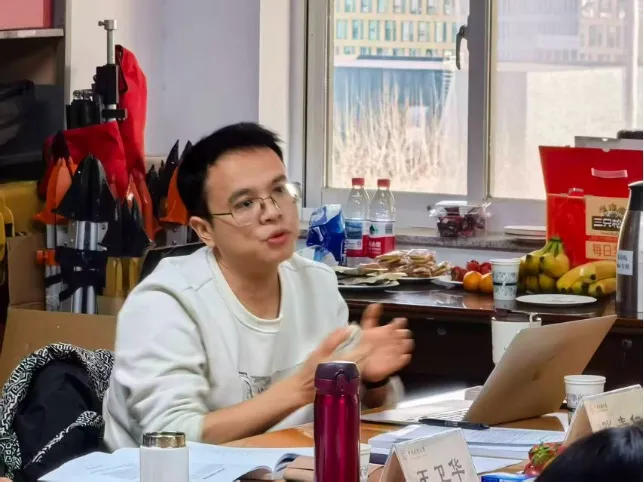
At the final roundtable, Professor Yang Derui, convener of the workshop and Director of the Institute of Social Anthropology at the School of Social and Behavioral Sciences, Nanjing University, summarized two key themes of the workshop: "colonialism and anti-colonialism" and "nationalism and nation-building." He then raised two questions: "What is the relationship between colonization, decolonization, and Chinese anthropology?" and "What participation and role does anthropology have in the process of nation-building?" In response, the participating scholars engaged in lively discussion. With this, the workshop came to a successful close.
Writers: Xiao Siliang, Shi Yiyang, Zhu Zihan
Translator: Liu Yin